Relationships Under Pressure
with Special Guest Terry Real

Early Bird Registration Available
$199 Early Bird | $249 Regular
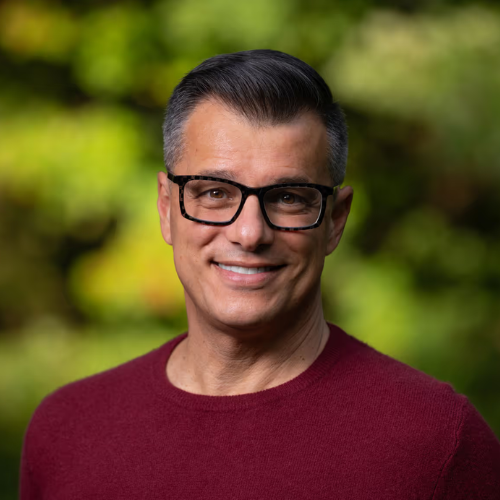
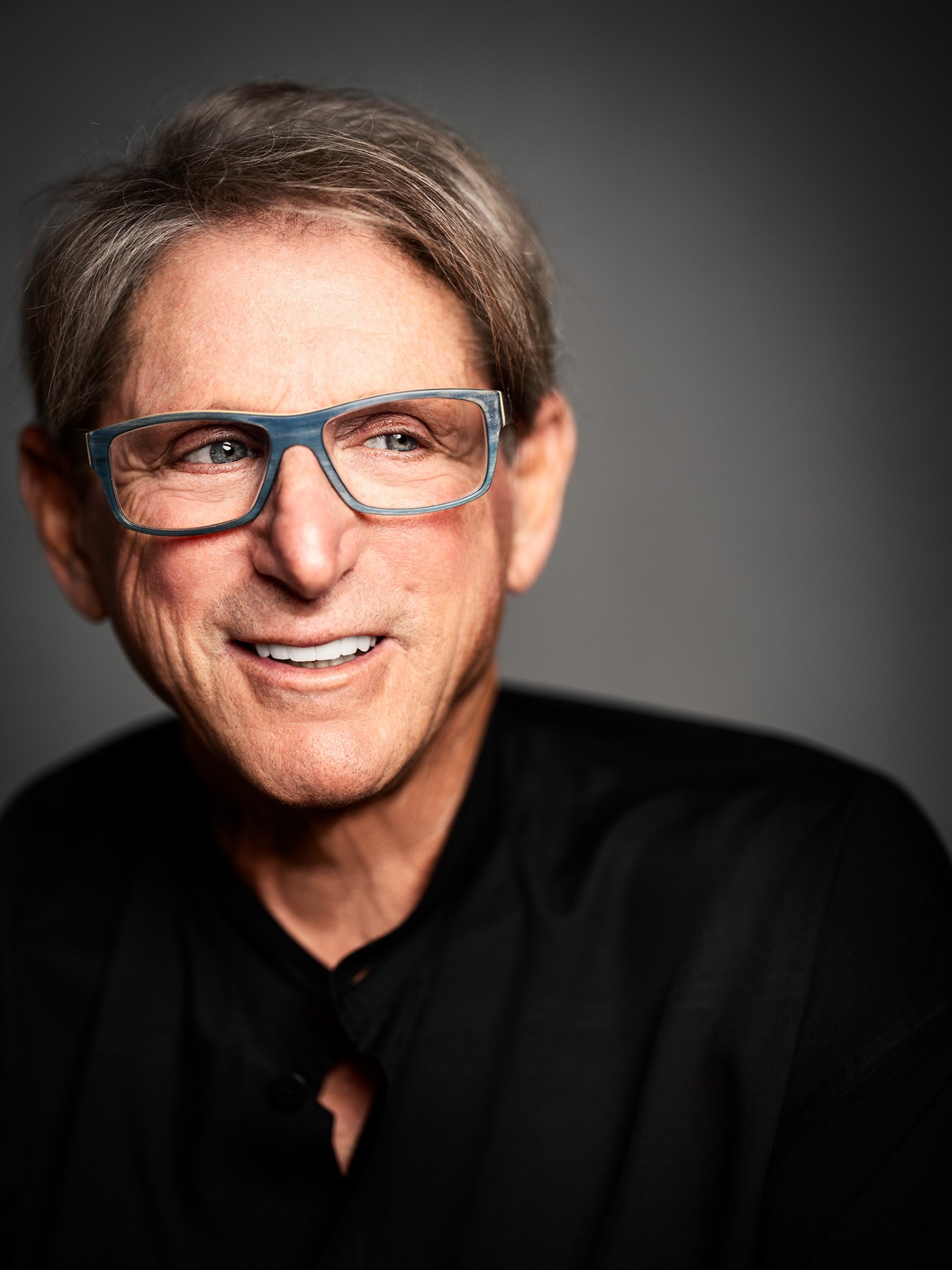
(TerrY REAL & Frank Anderson, MD)
Thursday, MaY 7, 2026
10:00am – 1:00pm PT | 1:00pm – 4:00pm ET
Session 2
(Frank Anderson, MD)
Monday, June 1, 2026
9:00am – 10:30am PT | 12:00pm – 1:30pm ET
A recording will be available to registered participants for 90 days.

When closeness becomes the place we hurt the most
Intimate relationships can bring out the best in us—and also the parts of us that are most afraid, defensive, or shut down. Many couples find themselves stuck in familiar arguments, circling the same hurts, or drifting into distance without quite knowing how they got there. What often shows up as conflict or withdrawal is rooted in deeper histories, protective reactions, and unmet longings for safety and connection.
Couples therapist Terry Real has spent decades helping people recognize the patterns that quietly erode intimacy: old wounds activated in present-day moments, protective responses that escalate conflict, and learned ways of relating that may once have made sense but now keep partners apart.
In this special two-part Learning Lab, Terry and Frank come together to explore how reactivity develops in close relationships, how it lives in the nervous system and relational field, and what it means to move toward repair with accountability, clarity, and care—without minimizing harm or abandoning connection.
About the Program
As host of this Learning Lab, Frank Anderson brings an integrative, trauma-informed perspective to understanding relationship distress, reactivity, and repair. Throughout the program, Frank serves as the through-line—helping frame the conversation, slow it down, and situate relational patterns within a broader understanding of trauma, development, attachment, and nervous system organization.
In the main session, Terry Real will explore how relational conflict is shaped by personal history, learned roles, and protective strategies that surface under stress. Drawing on his decades of work with couples and individuals, Terry will speak to why good intentions are often not enough to prevent harm, and how reactivity—though painful—often reflects attempts to protect oneself or the relationship.
Terry will address common patterns that keep couples stuck, including cycles of blame, withdrawal, escalation, and misattunement. He will explore what meaningful repair can look like after hurtful moments, and how accountability, boundaries, and emotional honesty can coexist with compassion and care.
Bringing his integrative, trauma-informed clinical lens into dialogue with Terry’s work, Frank Anderson serves as the primary integrative guide for this Learning Lab. He helps translate relational insight into deeper understanding by synthesizing developmental history, attachment dynamics, and nervous system responses, and by supporting participants in integrating these perspectives across personal, relational, and clinical contexts. Together, they invite careful reflection on how reactivity functions, what it protects, and how more grounded, respectful connection can emerge over time—without quick fixes or rigid formulas.
Key Themes We’ll Explore
How early experiences and learned roles shape reactions in intimate relationships
Common relational patterns that keep couples stuck in recurring conflict or distance
The difference between reacting to protect oneself and responding to protect the relationship
How nervous system activation influences communication, escalation, and shutdown
What accountability and repair can look like after hurtful interactions
Ways of understanding “healthy connection” that honor both partners’ histories and needs
This Program Is For
- People in long-term partnerships who feel stuck in recurring conflict, disconnection, or emotional distance
- Individuals navigating dating, separation, or relationship transitions who want to understand their relational patterns more clearly
- Mental health clinicians, therapists, coaches, and healthcare professionals seeking a trauma-informed, nervous-system-aware lens on relationship distress and repair
- Clinicians interested in how attachment dynamics, reactivity, and repair show up in couples and family work
- Practitioners looking to expand clinical language around accountability, boundaries, and relational responsibility in ways that are non-pathologizing and relationally attuned
- Anyone interested in exploring how personal history shapes intimacy—and how change can unfold with honesty and care
This Learning Lab supports reflective clinical practice and relational conceptualization rather than prescriptive techniques. Content explores relationship distress as an understandable response to history, stress, and nervous system activation, with attention to developmental context, attachment, and lived experience.
Session 1
(Terry Real & Frank Anderson, MD)
Relationships Under Pressure: From Reactivity to Repair
Hosted by Frank Anderson, MD with Special Guest Terry Real
Thursday, May 7, 2026
10:00am – 1:00pm PT | 1:00pm – 4:00pm ET
Schedule in Pacific Time
- 10:00 – 10:15am PT | Welcome, Opening Meditation & Orientation with Frank
- 10:15 – 11:45am PT | Special Guest Teaching with Terry Real
- 11:45 – 12:30pm PT | Teaching Dialogue with Frank & Terry
- 12:30 – 1:00pm PT | Community Q&A & Closing with Frank & Terry
Session 2
(Frank Anderson, MD)
Integration Discussion: Working with Reactivity and Repair
Hosted by Frank Anderson, MD
Monday, June 1, 2026
9:00am – 10:30am PT | 12:00pm – 1:30pm ET
Frank Anderson returns to host a dedicated integration session with the community, revisiting what emerged around relationship reactivity, accountability, and repair.
This session emphasizes metabolizing insight rather than rushing toward action—allowing understanding to land not only intellectually, but emotionally and somatically. Frank reflects on how early experiences, attachment injuries, and nervous system responses shape reactions in moments of relational stress, and how protective strategies can both shield and distance us from the people we care about.
Between sessions, participants are invited to reflect privately with Frank on what they noticed following Session 1—what felt newly visible, what questions arose, and how themes of reactivity or repair may have shown up in their relationships or clinical work. These reflections can be shared with Frank through a written integration form, which will be reviewed and synthesized to help shape the focus of the integration discussion.
From there, Frank shares how these dynamics can be worked with over time within an integrative approach—offering gentle, realistic pathways for personal and clinical application that honor pacing, safety, and relational responsibility.
Program Access & Integration
If you are unable to attend either live session, a recording will be available for 90 days following the program.
Participants are also welcome to submit questions, reflections, and feedback between sessions. These submissions will be reviewed by Frank and thoughtfully integrated into the Session 2 integration discussion, allowing the conversation to be shaped by the community’s lived experience—even if you are engaging asynchronously.
This Integration Session Is Designed to Support
Revisiting key insights from the conversation with Terry through Frank’s integrative lens
Understanding reactivity as a protective process rather than a personal failure
Noticing how personal history shapes responses in moments of relationship stress
Considering realistic ways to move from automatic reactions toward thoughtful repair
Reflecting on how to support oneself or others in developing more grounded, respectful connection
About the Learning Lab
The Learning Lab is designed to offer both depth and digestion: time to learn from trusted voices, space to reflect, and a return to community for integration. Rather than rushing toward change, this format invites thoughtful awareness, shared inquiry, and realistic shifts that unfold over time—held and led by Frank as host.
Frequently Asked Questions (FAQ)
This Learning Lab is designed for a wide range of participants—mental health clinicians, coaches, helping professionals, and individuals interested in understanding relational patterns, boundaries, and the impact of early survival strategies.Whether you’re grounded in somatic therapy, attachment work, parts-informed approaches, or you’re simply looking for insight into your own lived experience, the program offers thoughtful, accessible teaching that can support both personal reflection and professional growth.
No prior familiarity is required. While some attendees may know Frank’s writing and teaching, each Learning Lab is structured to be fully accessible whether you’re new to his integrative approach or looking to deepen your understanding.
Each Learning Lab includes:
• A live main session with Frank and a featured expert including teaching, dialogue, and community Q&A
• A follow-up integration session, led by Frank, to revisit themes and support embodied, realistic application
• Optional written reflection prompts, which participants can submit between sessions to help shape the integration discussion
Session lengths may vary by Lab, but all programs take place live on Zoom and include access to session recordings.
Not a problem!
All registrants receive access to the full replay of both sessions for 90 days after the program concludes. You’re welcome to watch (and rewatch) at your own pace.
Yes.
Teaching segments may include lecture, dialogue, and reflective prompts. Each session also includes time for live Q&A, giving participants the chance to bring forward questions about the material, their work, or their lived experience.
Absolutely.
The Learning Lab is educational, reflective, and supportive. Many participants attend because the material resonates with their own history. You are encouraged to move at your own pace, take breaks as needed, and seek personalized support outside the program if emotions arise.
Please note: This program is for educational purposes and is not a substitute for therapy.
The Learning Lab offers clinical insight, case-informed discussion, and developmentally and neuroscience-informed framing, but it is not a step-by-step clinical certification program.
Instead, it supports:
• reflective understanding of integrative concepts
• deeper understanding of patterns as adaptive
• integrative, relational ways of conceptualizing experiences
Clinicians often find the material directly applicable to their work, while lay participants value the clarity and validation it brings to their own relational dynamics.
After you register, you’ll receive a confirmation email with:
• Your Zoom link(s) for the live sessions
• Instructions for how to join
• Any relevant program materials
After the program ends, you’ll receive an email with a link to the 90-day replay portal, where you can watch the recordings at any time.
Recordings are available for 90 days following the final live session.
To honor the agreements with our host and special guests, extensions cannot be provided.
Yes.
Participants may submit questions or reflections between sessions using our written integration form. Frank reviews all submissions and incorporates themes and questions into the Session 2 integration discussion, ensuring asynchronous participants remain part of the learning process.
You may request a full refund up to 7 calendar days before the first live session begins. After that point, all sales are final.
Refunds may incur a nominal processing charge (approximately $25).Additional notes:Registration covers the entire program (all sessions). We are unable to offer partial refunds, credits, or prorated adjustments if you miss one or more sessions.
Access to the recordings remains available for 90 days regardless of live attendance.
If promotions or sale prices occur before or after your purchase, we cannot retroactively adjust your registration fee.
Please reach out to our team anytime—we’re happy to help with questions about registration, access, or program expectations.
Repair doesn’t begin with being right.
It begins with staying present.
Reserve Your Spot
Need Help?
For support with courses, programs, or consultation groups, please contact programs@frankandersonmd.com