
The Learning Lab hosted by Frank Anderson, MD • with Special Guest Bessel van der Kolk, MD
When the Past
Lives in the Body
What 30 Years of Treating Trauma Has Taught Bessel van der Kolk and Frank Anderson
A Two-Part Learning Lab with
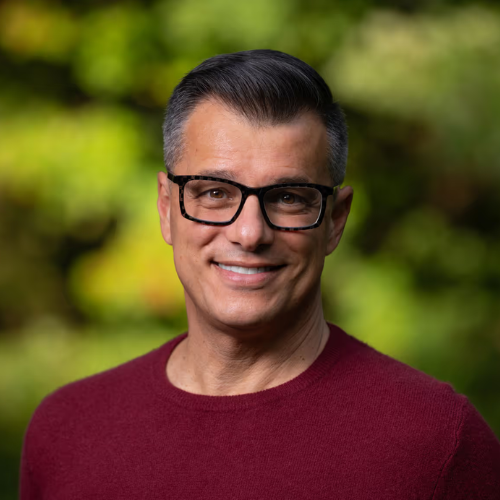
Frank Anderson, MD
Host
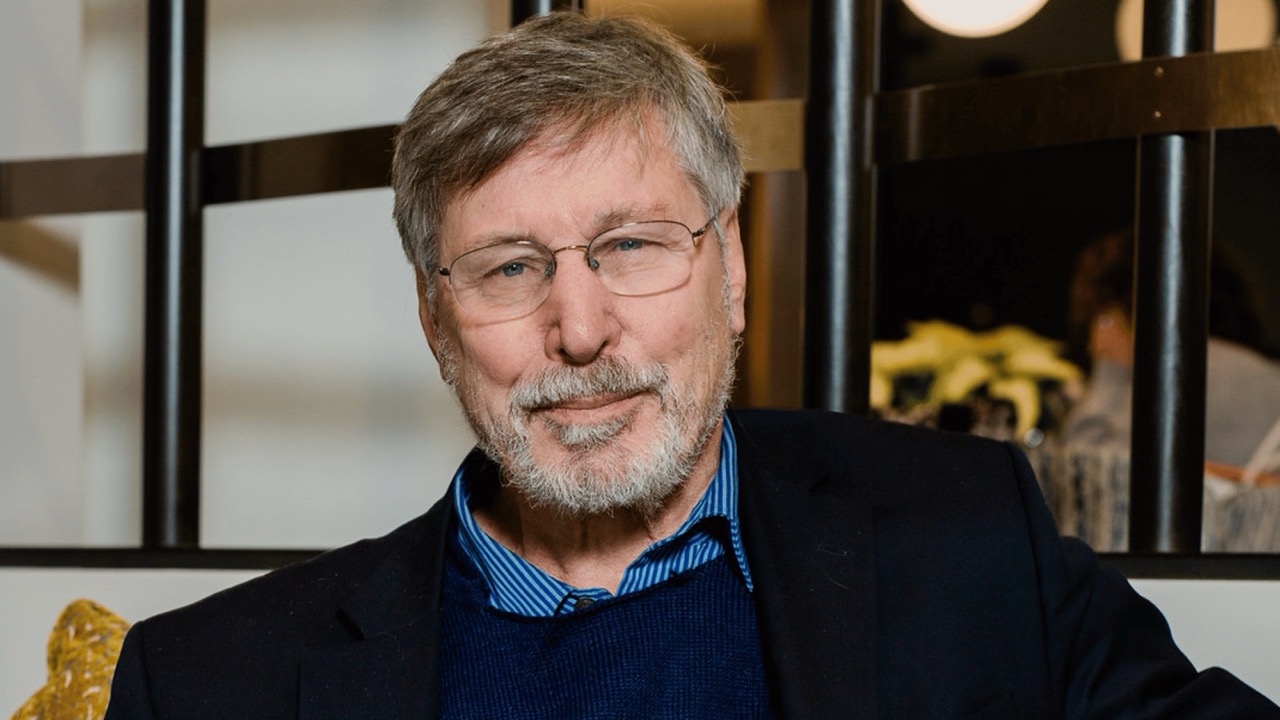
Bessel van der Kolk, MD
Special Guest
Live Teaching Session
Friday,
October 2nd
9:00am – 12:00pm PT
12:00pm – 3:00pm ET
Live Integration Session
Friday,
October 16th
9:00am – 10:30am PT
12:00pm – 1:30pm ET
$249
Includes both live sessions and 90-day access to the recordings.
Bessel van der Kolk and Frank Anderson have known one another since 1992, when the modern trauma field was still taking shape.
Now, they are coming together for a rare conversation about how trauma treatment has evolved, what the latest neuroscience and research are revealing, and how different approaches can be integrated into a more cohesive way of working.
Together, they will explore treatments developed specifically for trauma, body-based and experiential approaches, and ways healing can extend beyond traditional psychotherapy through movement, role-play, music, theater, yoga, and other forms of participation.
This Learning Lab is for clinicians and individuals alike who want more than a refresher on trauma and the body — a real look at where the field's understanding has deepened, and what that means for how healing actually happens.
Beyond The Body Keeps the Score
Bessel's work helped change the way trauma is understood. He showed that painful experiences can continue to affect more than our thoughts and memories. They can also shape how we breathe, move, react to stress, connect with others, and respond physically long after the original experience has ended.
Whether this is your first introduction to his work or you have followed it for years, this Learning Lab will provide the context you need.
For those already familiar with The Body Keeps the Score, the conversation will move beyond the book's central premise. Bessel and Frank will explore how trauma treatment has continued to evolve, what current neuroscience and research are revealing, and how body-based, psychological, creative, and experiential approaches can work together.
The central question is:
How do we bring the most useful parts of trauma treatment together?
What You Will Explore
How Trauma Treatment Has Evolved
Bessel has watched the trauma field take shape almost from the beginning, and helped shape it himself.
He and Frank will trace that arc — from a time when treatment mostly meant talking about the past, to a field that now works with the brain, body, movement, relationships, and imagination. They'll talk about what earlier approaches got right, where they ran out of road, and what's changed in their thinking since.
Which Treatments Are Trauma-Specific
Not every therapy was built for trauma — some were designed for depression, anxiety, or general distress and just get applied more broadly.
Frank and Bessel will draw that line clearly: which approaches were made specifically to treat traumatic stress, which weren't, and what that distinction actually changes about how someone should expect treatment to feel.
How Different Approaches Can Be Integrated
Both of them left single-model thinking behind a long time ago.
In this conversation, they will explore how their approaches complement one another, what each has learned about bringing different methods together, and how body-based and psychological work can be combined within a thoughtful, cohesive process rather than used as a disconnected collection of techniques.
Somatic Work, Role-Play, Sculpting and More
Some things don't come out in words.
Bessel will walk through how he brings the body directly into the room — through several somatic techniques, where physical positioning and movement make relational patterns visible in a way explanation can't.
Current Neuroscience and Research
The research hasn't stood still, and neither has Bessel's thinking.
Expect a look at where the science on trauma, memory, and the nervous system stands today — explained in plain language, no prior science background needed — and what it might mean for where treatment goes next.
Healing Beyond Traditional Psychotherapy
Recovery doesn't only happen in a therapy office.
Music, theater, yoga, movement, and community all show up in this conversation — not as add-ons, but as legitimate parts of how people regain a sense of choice and connection after trauma.
What You Will Gain
For Clinicians and Helping Professionals
You will leave with:
- A clearer understanding of how trauma treatment has evolved
- Greater clarity about which approaches were developed specifically for trauma
- A broader map of somatic, psychological, relational, and experiential modalities
- Insight into how Bessel and Frank each integrate different treatment approaches
- Current neuroscience and research perspectives
- Clinical examples that connect the teaching to practice
- Practical ideas to consider in your own work
- An opportunity to apply the learning and return to discuss what worked and what did not
→ Think of it less as technical training in one method and more as a chance to see the whole field more clearly — how its pieces actually relate to each other.
For Individuals
You will leave with:
- A clearer understanding of why trauma treatment now includes more than talking about the past
- A practical map of the different kinds of trauma approaches and what they may address
- Greater clarity about the role of the body, movement, relationships, and creativity
- A better understanding of how different methods may complement one another
- New possibilities to explore in your own healing or with a clinician
- An opportunity to try what feels relevant and return to discuss what you noticed with Frank
How the Two-Part Learning Lab Works
1. Learn with Bessel and Frank
Live Teaching Session
Friday, October 2, 2026
9:00am – 12:00pm PT · 12:00pm – 3:00pm ET
The first session includes teaching, conversation, clinical examples, and community questions.
Bessel and Frank will explore:
- The history of trauma treatment
- Current neuroscience and research
- Standard and trauma-specific therapies
- Somatic interventions
- Role-play and sculpting
- Healing within and beyond traditional psychotherapy
- How they each integrate different approaches
The session will be conversational, allowing them to compare perspectives and follow the questions that lead to the most useful discussion.
2. Put the Learning Into Practice
During the month between sessions, participants will be encouraged to apply or explore what they learned.
Clinicians may consider how the ideas affect their understanding of clients, treatment planning, or clinical work. Individuals may notice how movement, body awareness, creativity, relationships, or other practices affect their own experience.
You will be invited to consider:
- What felt useful
- What became clearer
- What was difficult to apply
- What worked
- What did not work
- What questions remain
3. Return to Integrate with Frank
Live Integration Session
Friday, October 16, 2026
9:00am – 10:30am PT · 12:00pm – 1:30pm ET
Participants will return for a live Integration Session with Frank. Frank will revisit the central ideas from the first session and invite participants to share what happened when they applied the learning.
The session may include:
- Questions and discussion
- Participant experiences and feedback
- Exploration of what worked and what did not
- Clarification of difficult concepts
- Personal or clinical examples
- Live demonstrations when appropriate
Who This Learning Lab Is For
This program is open to:
- Therapists, psychologists, psychiatrists, social workers, and counselors
- Coaches, healthcare providers, and somatic practitioners
- Individuals interested in trauma and healing
- People who have read The Body Keeps the Score and want to go beyond its central premise
- Anyone curious about how different trauma treatments relate to one another
Personal disclosure is never required. Clinical material will be explained in accessible language so that professionals and members of the general public can participate in the same conversation.
What Your Registration Includes
- A three-hour live Teaching Session with Bessel and Frank
- A 90-minute live Integration Session with Frank, one month later
- 90-day access to recordings of both sessions
- Space to apply what you learn between sessions and bring questions back
Meet Your Hosts
Frank Anderson, MD — Host
Psychiatrist • Trauma Specialist • Educator
Frank Anderson, MD is a psychiatrist, trauma specialist, and educator known for his integrative, depth-oriented approach to healing. Drawing from neuroscience, developmental trauma theory, relational psychotherapy, and contemplative practices, Frank helps people understand trauma responses as meaningful adaptations rather than personal failures. As host of the Learning Lab, he serves as the integrative anchor, framing, contextualizing, and guiding the work so insights can be digested and applied with care, realism, and respect for each person's pace.
Bessel van der Kolk, MD — Special Guest
Psychiatrist • Researcher • Author
Bessel van der Kolk, MD is a psychiatrist, researcher, and teacher internationally known for his pioneering work on trauma and the body. His research has shaped contemporary understanding of how traumatic experiences affect sensation, emotion, movement, and the capacity for connection. Bessel's work emphasizes approaches that engage the body, relationships, and lived experience, supporting people in restoring a sense of safety, agency, and aliveness over time.
About the Learning Lab
The Learning Lab is designed to offer both depth and digestion: time to learn from trusted voices, space to reflect, and a return to community for integration. Rather than rushing toward change, this format invites thoughtful awareness, shared inquiry, and realistic shifts that unfold over time, held and led by Frank as host.
Frequently Asked Questions
No prior familiarity is required. While some attendees may know Frank's writing and teaching, each Learning Lab is structured to be fully accessible whether you're new to his integrative approach or looking to deepen your understanding.
Each Learning Lab includes a live main session with Frank and a featured expert, with teaching, dialogue, and community Q&A, followed by a dedicated integration session led by Frank to revisit themes and support realistic application. Participants are also invited to submit optional written reflections between sessions to help shape the integration discussion. All sessions take place live on Zoom and are recorded.
Not a problem. All registrants receive access to the full replay of both sessions for 90 days after the program concludes, and are welcome to watch and rewatch at their own pace.
Yes. Teaching segments include lecture, dialogue, and reflective prompts. Each session also includes time for live Q&A, giving participants the chance to bring forward questions about the material, their work, or their lived experience.
Absolutely. The Learning Lab is educational, reflective, and supportive. Many participants attend because the material resonates with their own history. You are encouraged to move at your own pace and seek personalized support outside the program if needed. Please note: this program is for educational purposes and is not a substitute for therapy.
The Learning Lab offers clinical insight, case-informed discussion, and neuroscience-informed framing, but it is not a step-by-step clinical certification program. It supports reflective understanding of integrative concepts and relational ways of conceptualizing trauma and the body. Clinicians often find the material directly applicable to their work, while lay participants value the clarity and validation it brings to their own experience.
After you register, you'll receive a confirmation email with your Zoom link(s) for the live sessions, instructions for how to join, and any relevant program materials. After the program ends, you'll receive a link to the 90-day replay portal where you can watch the recordings at any time.
Yes. You're welcome to submit questions or reflections between sessions using the written integration form. Frank reviews all submissions and incorporates themes into the Integration Discussion, so asynchronous participants remain part of the learning process.
Recordings are available for 90 days following the final live session. To honor the agreements with our host and special guest, extensions cannot be provided.
You may request a full refund up to 7 calendar days before the first live session begins. After that point, all sales are final. Refunds may incur a nominal processing charge of approximately $25. Registration covers the entire program, so we are unable to offer partial refunds or prorated adjustments. Access to the recordings remains available for 90 days regardless of live attendance. If promotions or sale prices occur before or after your purchase, we cannot retroactively adjust your registration fee.
Please reach out anytime at support@frankandersonmd.com, we are happy to help with any questions.
Healing doesn't mean erasing the past.
It means helping the body feel safer in the present.
Reserve Your Spot Today
Join Frank Anderson, MD and Bessel van der Kolk for a live, two-part Learning Lab on how trauma treatment has evolved, what the latest research reveals, and how healing happens across the body, mind, and relationships.
$249
Includes both live sessions and 90-day access to the recordings.
For support with registration or access, contact support@frankandersonmd.com