The Learning Lab hosted by Frank Anderson, MD • with Special Guest Ramani Durvasula, PhD

Behind the Mask

Narcissistic Patterns, Relational Harm & the Path Back to Yourself

A Two-Part Learning Lab with
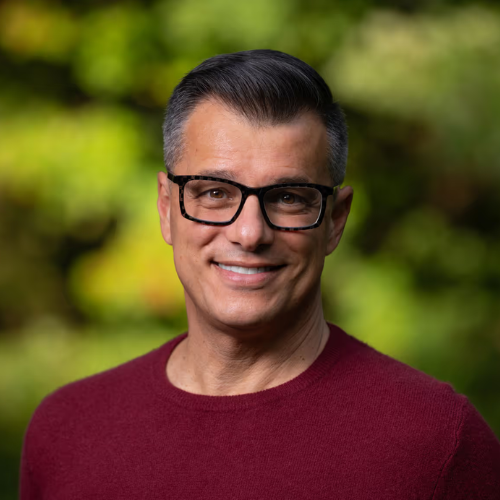
Frank Anderson, MD

Frank Anderson, MD

Host

&
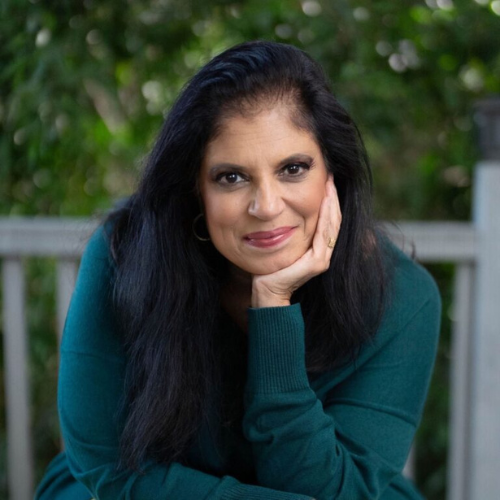
Ramani Durvasula, PhD

Ramani Durvasula, PhD

Special Guest

Teaching Session

Thursday,
January 28th

10:00am – 1:00pm PT

1:00pm – 4:00pm ET

Integration Discussion

Thursday,
February 25th

9:00am – 10:30am PT

12:00pm – 1:30pm ET

Early Bird — Save $50

$199

Price will increase soon to $249.
Reserve your place now while early bird pricing is available!

Limited-Time Offer
Register Now — Only $199

Recording available to all registered participants.

When Connection Becomes Confusion

Many people find themselves in relationships—romantic, familial, workplace, or friendships—where they feel unseen, dismissed, or chronically unstable. Over time, small dismissals accumulate; empathy feels one-sided; communication turns into self-doubt; and the person on the receiving end begins to feel like the problem.

From the outside, it can look like resilience, patience, or conflict-avoidance. On the inside, it often feels like walking on eggshells, holding tension in the body, living with chronic uncertainty, or losing touch with one’s internal cues and self-worth.

Psychologist and author Ramani Durvasula has spent decades naming and explaining the patterns that form in relationships marked by inconsistency, entitlement, emotional volatility, and lack of empathy. She brings compassionate clarity to why survivors often adapt by minimizing their needs, over-functioning in the relationship, or doubting their perceptions—in patterns shaped long before adulthood.

In this special two-part Learning Lab, Ramani and Frank come together to explore the emotional, relational, and neurobiological impact of narcissistic patterns. They invite participants to understand these dynamics without blame, without self-judgment, and without getting stuck in diagnostic labels—focusing instead on the lived experience and the pathways back to clarity, boundaries, and self-respect.

About the Program

As host of this Learning Lab, Frank Anderson brings a deeply integrative, trauma-informed perspective to understanding the internal and relational effects of narcissistic dynamics. He slows the conversation down, offering a developmental and nervous-system-focused lens on why these patterns take hold—and why they are so difficult to step out of, even for highly capable and self-aware individuals.

In the main session, special guest Ramani Durvasula, PhD will explore the relational landscape shaped by narcissistic traits:

  • The cycles of idealization, minimization, and dismissal
  • Why survivors internalize confusion, guilt, or responsibility
  • How chronic invalidation impacts identity, self-worth, and emotional regulation
  • The subtle tactics—gaslighting, stonewalling, inconsistency, blame-shifting—that quietly erode confidence and clarity
  • Why leaving or setting limits can feel threatening or destabilizing

She will reframe these patterns not as failures of insight or strength, but as natural survival strategies shaped by early environments, attachment history, and nervous system imprinting.

Frank will bring these insights into a broader integrative frame—illuminating how the nervous system adapts to relational unpredictability, how chronic emotional threat reshapes internal patterns, and why survivors often oscillate between self-doubt, hope, and resignation. Together, Frank and Ramani will help participants recognize the early signs of relational harm, understand the psychological toll of chronic invalidation, and explore gradual, realistic pathways back to internal alignment, boundaries, and agency.

Key Themes We’ll Explore

  • What narcissistic relational patterns actually look and feel like—not just clinically, but in daily life
  • Why confusion, self-blame, and doubt are such common survivor responses
  • The emotional and neurobiological impact of chronic invalidation and inconsistency
  • How early relational wounds shape vulnerability to harmful relational dynamics
  • Why leaving, detaching, or setting boundaries often evokes guilt, fear, and internal conflict
  • How to reconnect to your own perceptions, values, and internal signals after relational harm
  • Protective patterns that form around survival—and how to shift them without urgency or self-blame

This Program Is For

Those in Confusing Relationships Individuals who have experienced emotionally harmful or confusing relationships and want language for what they’ve lived through
The Steady One People who have been the reliable, stabilizing presence in a chaotic relational dynamic and are beginning to recognize the cost of that role
Navigating Self-Doubt Those who struggle with guilt, over-responsibility, or a persistent sense that they are the problem in their relationships
Mental Health Professionals Clinicians seeking a trauma-informed, non-pathologizing framework for understanding narcissistic patterns and supporting clients navigating relational harm
Therapists, Coaches & Helpers Practitioners who want clearer language and integrative framing for working with clients in confusing or harmful relational dynamics
Seeking Clarity & Validation Anyone wanting language for difficult relational experiences that have long been minimized, dismissed, or misunderstood

This Learning Lab supports reflective understanding rather than prescriptive techniques. The focus is on meaning-making, emotional clarity, and integrative insight for both personal and clinical application.

Session 1 — Teaching Session

Ramani Durvasula, PhD & Frank Anderson, MD • Thursday, January 28, 2027

Behind the Mask: Understanding Narcissistic Relational Harm

Hosted by Frank Anderson, MD
with Special Guest Ramani Durvasula, PhD

Time (Pacific) What’s Happening
10:00 – 10:15am PT Welcome, Orientation & Opening Meditation with Frank
10:15 – 11:45am PT Special Guest Teaching with Dr. Ramani
11:45am – 12:30pm PT Teaching Dialogue with Frank & Ramani
12:30 – 1:00pm PT Community Q&A & Closing with Frank & Ramani

Dr. Ramani shares her framework for understanding narcissistic relational dynamics: where these patterns originate, how they show up across relationship types, and why the person on the receiving end so often ends up carrying confusion, self-blame, and doubt. She names the subtle but corrosive tactics—gaslighting, inconsistency, stonewalling, blame-shifting—that quietly erode confidence and clarity over time.

Frank supports integration by mapping these dynamics to attachment, developmental history, and nervous system activation, helping connect the teaching to lived experience and clinical realities.

Session 2 — Integration Discussion

Hosted by Frank Anderson, MD • Thursday, February 25, 2027

Integration Discussion: Reclaiming Clarity, Agency & Self-Respect

Hosted by Frank Anderson, MD

In this follow-up session, Frank returns to help the community metabolize the material from Session 1—focusing on how chronic invalidation affects the nervous system, why survivors often lose trust in their own perceptions, and how internal clarity can be gradually restored.

Participants are encouraged to reflect on what resonated, what surfaced in the weeks between sessions, and how these patterns may show up in their own lives or clinical work. Through written submissions, Frank will shape the integration discussion to meet the community where they are—whether attending live or watching the replay.

Program Access

If you are unable to attend either session live, a replay will be available to all registered participants. Participants may submit questions and reflections after Session 1; these will be reviewed by Frank and thoughtfully woven into the integration discussion.

All registrants receive access to the full replay of both sessions and are welcome to watch and rewatch at their own pace.

What the Integration Session Supports

  • Reclaiming internal clarity after relational confusion
  • Understanding the survival strategies that keep people in harmful dynamics
  • Exploring guilt, fear, and ambivalence through a compassionate, developmental lens
  • Considering gradual, doable forms of boundary-setting or detachment
  • Making sense of emotional and relational fatigue
  • Reconnecting with one’s own perceptions, values, and needs

Meet the Host & Special Guest

Frank Anderson, MD

Frank Anderson, MD – Host

Psychiatrist • Trauma Specialist • Educator

Frank Anderson is a psychiatrist, trauma expert, and educator known for his integrative approach to healing. Drawing from neuroscience, developmental trauma theory, and relational psychotherapy, he helps people understand confusing relational patterns as adaptive responses shaped by experience—not character flaws or personal failures.

As host of the Learning Lab, Frank serves as the integrative anchor: slowing the conversation down, framing the material, and guiding the community through a process of genuine understanding and application.

Ramani Durvasula, PhD

Ramani Durvasula, PhD – Special Guest

Licensed Clinical Psychologist • Author • Expert on Narcissistic Patterns

Dr. Ramani is a licensed clinical psychologist, author, and internationally recognized expert on narcissistic relational patterns. With decades of research and clinical experience, she brings compassionate clarity to the emotional and psychological impact of chronic invalidation, manipulation, and relational harm.

Her teaching is accessible, validating, and profoundly illuminating—offering language and understanding for experiences that are often difficult to name and even harder to leave behind.

About the Learning Lab

The Learning Lab offers a format that blends depth, reflection, and integrative application. It is designed to help participants understand themselves and others with more clarity, compassion, and grounded insight—guided by Frank’s steady, trauma-informed presence.

Frequently Asked Questions

This Learning Lab is designed for a wide range of participants — mental health clinicians, coaches, helping professionals, and individuals interested in understanding narcissistic relational patterns and their impact. Whether you’re grounded in somatic therapy, attachment work, parts-informed approaches, or you’re simply looking for insight into your own lived experience, the program offers thoughtful, accessible teaching that can support both personal reflection and professional growth.

No prior familiarity is required. While some attendees may know Frank’s or Dr. Ramani’s writing and teaching, each Learning Lab is structured to be fully accessible whether you’re new to their work or looking to deepen your understanding.

Each Learning Lab includes a live main session with Frank and a featured expert — with teaching, dialogue, and community Q&A — followed by a dedicated integration session led by Frank to revisit themes and support realistic application. Participants are also invited to submit optional written reflections between sessions to help shape the integration discussion. All sessions take place live on Zoom and are recorded.

Not a problem. All registrants receive access to the full replay of both sessions and are welcome to watch and rewatch at their own pace.

Yes. Teaching segments include lecture, dialogue, and reflective prompts. Each session also includes time for live Q&A, giving participants the chance to bring forward questions about the material, their work, or their lived experience.

Absolutely. The Learning Lab is educational, reflective, and supportive. Many participants attend because the material resonates with their own history. You are encouraged to move at your own pace and seek personalized support outside the program if needed. Please note: this program is for educational purposes and is not a substitute for therapy.

The Learning Lab offers clinical insight, case-informed discussion, and neuroscience-informed framing, but it is not a step-by-step clinical certification program. It supports reflective understanding of integrative concepts and relational ways of conceptualizing narcissistic patterns and their impact. Clinicians often find the material directly applicable to their work, while lay participants value the clarity and validation it brings to their own experience.

After you register, you’ll receive a confirmation email with your Zoom link(s) for the live sessions, instructions for how to join, and any relevant program materials. After the program ends, you’ll receive a link to the replay portal where you can watch the recordings at any time.

Yes. You’re welcome to submit questions or reflections between sessions using the written integration form. Frank reviews all submissions and incorporates themes into the Integration Discussion, so asynchronous participants remain part of the learning process.

You may request a full refund up to 7 calendar days before the first live session begins. After that point, all sales are final. Refunds may incur a nominal processing charge of approximately $25. Registration covers the entire program — we are unable to offer partial refunds or prorated adjustments. You will retain access to the recordings regardless of live attendance.

Please reach out anytime at support@frankandersonmd.com — we’re happy to help with questions about registration, access, or program expectations.

You are not the problem.
You are someone who adapted to a very difficult situation.

Reserve Your Spot Today

Join Frank Anderson, MD and Ramani Durvasula, PhD for a program that can change the way you understand narcissistic patterns, relational harm, and the path back to yourself.

Early Bird — Save $50

$199

Price will increase soon to $249.
Reserve your place now while early bird pricing is available!

Limited-Time Offer
Register Now — Only $199

For support with registration or access, contact support@frankandersonmd.com