The Learning Lab hosted by Frank Anderson, MD • with Special Guest Gabor Maté

Reframing Stress,
Illness & Healing

with Special Guest Gabor Maté

A Three-Part Learning Lab with
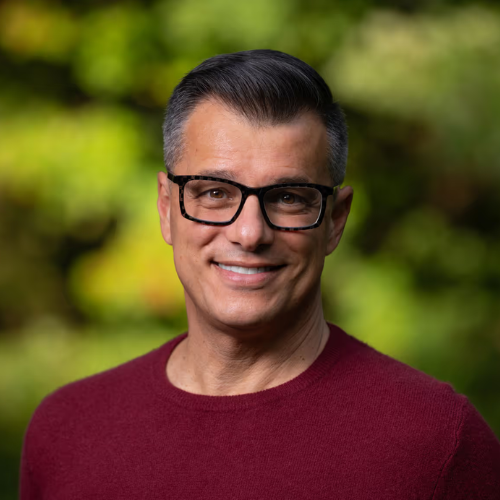
Frank Anderson, MD

Frank Anderson, MD

Host

&
Gabor Maté

Gabor Maté

Special Guest

Teaching Session 1

Tuesday,
November 17th

10:00am – 11:30am PT

1:00pm – 2:30pm ET

Teaching Session 2

Thursday,
November 19th

10:00am – 11:30am PT

1:00pm – 2:30pm ET

Integration Session

Monday,
December 14th

9:00am – 10:30am PT

12:00pm – 1:30pm ET

Early Bird — Save $50

$199

Price will increase soon to $249.
Reserve your place now while early bird pricing is available!

Limited-Time Offer
Register Now — Only $199

Recording available to all registered participants.

When Illness Is No Longer Understood as Separate from Stress, Trauma, and the World We Live In

Chronic illness, emotional distress, and physiological dysregulation are often treated as separate phenomena. But the more closely we look, the more these experiences reveal themselves to be deeply interconnected — shaped not only by biology, but by hidden stress, early life experiences, emotional patterns, and the social conditions in which people live.

Western medicine has long imposed separations between mind and body, and between individual health and the wider environment. Yet these divisions are increasingly challenged by modern science, which continues to demonstrate the intimate relationship between emotional stress, the nervous system, immunity, hormonal functioning, and long-term health outcomes.

In this special three-part Learning Lab, Gabor Maté and Frank Anderson come together for two live sessions exploring the stress-disease connection, mind/body unity, trauma, chronic illness, and healing in a culture that often works against human well-being. Across both sessions, participants will examine how hidden stress and developmental experience shape the body, how social and cultural conditions contribute to illness, and how a more integrated understanding of health can open pathways for compassion, self-awareness, and healing.

Frank Anderson serves as the host and clinical through-line for the program, helping participants metabolize and integrate these ideas across personal, relational, and clinical contexts. In the final Integration Session, Frank returns to help deepen reflection, connect the themes across both conversations, and support participants in applying what they have learned over time.

About the Program

As host of this Learning Lab, Frank Anderson brings an integrative, trauma-informed perspective to questions of illness, healing, embodiment, and human development. Throughout the program, Frank serves as the through-line — helping frame the conversation, slow it down, and situate Gabor Maté's teaching within a broader understanding of trauma, attachment, development, and the nervous system.

In Teaching Session 1, Gabor explores the scientific and clinical reality of mind/body unity, challenging the false split between emotional life and physical illness. Drawing from research, clinical experience, and examples from both public life and medical practice, he examines how hidden stress undermines immunity, disrupts physiological functioning, and contributes to the development of chronic disease.

In Teaching Session 2, Gabor expands the lens to include the larger social world, exploring how a culture organized around material pursuit rather than genuine human need can shape stress, undermine healthy development, and contribute to widespread chronic illness. This conversation invites participants to consider health not only as an individual issue, but as something deeply shaped by relationships, systems, and society itself.

Bringing his integrative clinical lens into dialogue with Gabor's work, Frank serves as the primary guide for synthesis and reflection throughout the Learning Lab. Together, these sessions invite a more unified understanding of illness and healing — one that honors physiology, emotional life, developmental experience, and the wider cultural forces that shape human health.

Key Themes We'll Explore

  • The unity of mind and body as supported by modern science
  • How emotional stress affects immunity, physiology, and chronic illness
  • Why hidden stress often goes unrecognized in individuals and in culture
  • The role of early environment in shaping lifelong patterns of stress and adaptation
  • How trauma and chronic stress can become embodied over time
  • The ways social conditions and cultural values influence health and disease
  • How compassion and self-awareness can become meaningful tools in healing
  • What a more integrated, trauma-informed approach to illness can offer clinical practice

This Program Is For

Mental Health Professionals Clinicians, therapists, coaches, and healthcare professionals interested in a more integrated understanding of stress, trauma, illness, and healing
Integrative Practitioners Practitioners seeking a deeper framework for understanding chronic illness beyond symptom management alone
Clinical Specialists Clinicians interested in the intersection of developmental trauma, embodiment, and medical or psychological symptoms
Individuals Seeking Understanding Those living with chronic stress or illness who want a broader and more compassionate lens on their experience
Curious Learners Anyone curious about how trauma, physiology, and culture interact to shape health over time

This Learning Lab supports reflective clinical practice and integrative understanding rather than prescriptive treatment advice. Content explores illness and healing through the lenses of trauma, development, stress physiology, and social context, with attention to both personal experience and broader systems.

Teaching Session 1

(Frank Anderson, MD & Gabor Maté)

When the Body Says No: Mind/Body Unity and the Stress-Disease Connection

Hosted by Frank Anderson, MD
with Special Guest Gabor Maté

Tuesday, November 17th, 2026

10:00am – 11:30am PT · 1:00pm – 2:30pm ET

Stress is ubiquitous these days — it plays a role in the workplace, in the home, and virtually everywhere that people interact. It can take a heavy toll unless it is recognized and managed effectively and insightfully.

Western medicine, in theory and practice, tends to treat mind and body as separate entities. This separation, which has always gone against ancient human wisdom, has now been demonstrated by modern science to be not only artificial, but false. The brain and body systems that process emotions are intimately connected with the hormonal apparatus, the nervous system, and in particular the immune system.

In this session, Gabor Maté explores how emotional stress — especially the hidden kind that people are not aware of — can undermine immunity, disrupt the body's physiological milieu, and prepare the ground for disease. Drawing from research findings, clinical observation, and compelling stories from his own experience in family practice and palliative care, he will offer a powerful introduction to the stress-disease connection and the scientific reality of mind/body unity.

Frank will help frame and deepen the conversation throughout, connecting Gabor's insights to broader themes of trauma, adaptation, and the body's attempts to survive under chronic strain.

Topics Covered

  • The mind/body unity as explained by modern science, including psychoneuroimmunology
  • The nature of stress and its physiological consequences
  • The three major stressors: loss of control, uncertainty, and conflict
  • How the early environment "programs" us physiologically and psychologically into chronically stressful patterns of feeling and behavior
  • Why stress remains hidden in our culture
  • The stressful work environment: how to recognize it and transform it
  • How to recognize stress and prevent it
  • How understanding stress can inform and enhance clinical practice

Teaching Session 2

(Frank Anderson, MD & Gabor Maté)

Trauma, Illness & Healing in a Toxic Culture

Hosted by Frank Anderson, MD
with Special Guest Gabor Maté

Thursday, November 19th, 2026

10:00am – 11:30am PT · 1:00pm – 2:30pm ET

Half of North American adults suffer from chronic illness — a reality Western medicine often views largely in terms of individual predispositions and habits. But Western medicine imposes two separations that are not scientifically tenable.

First, it separates mind from body, largely assuming that most chronic illnesses have little to do with emotional and psychological experience. Second, it separates people's health from the social environment, overlooking social determinants of health such as class, gender, economic status, and race — even though these factors often exert a more powerful influence on health and longevity than many individual risk markers.

In this session, Gabor Maté broadens the lens to examine how a society dedicated to material pursuits rather than genuine human needs and spiritual values can stress its members, undermine healthy child development, and contribute to chronic illness — from diabetes to heart disease, from autoimmune conditions to cancer.

With Frank serving as host and integrative guide, this conversation invites participants to think beyond the individualizing frameworks that dominate conventional medicine and instead consider a more whole, humane, and socially aware understanding of health and healing.

You Will Gain Insights To

  • Identify two separations imposed by Western medicine on the health and well-being of the population
  • Name three chronic conditions that are correlated with stressful social environments
  • Describe one shift in focus that would support a healthier population

Integration Discussion

(Frank Anderson, MD)

Integration Discussion: Stress, Trauma, Illness & Healing

Hosted by Frank Anderson, MD

Monday, December 14th, 2026

9:00am – 10:30am PT · 12:00pm – 1:30pm ET

Frank Anderson returns to host a dedicated integration session with the community, revisiting what emerged across both conversations with Gabor Maté around stress, illness, trauma, embodiment, and healing. This session emphasizes metabolizing insight rather than rushing toward action — allowing understanding to land not only intellectually, but emotionally and somatically.

Frank reflects on how hidden stress, developmental experience, and nervous system adaptation shape both psychological patterns and physical well-being, and how a more integrated view of illness can shift the way we understand suffering and healing.

Between sessions, participants are invited to reflect privately with Frank on what felt newly visible, what questions arose, and how the material may have connected to their personal or clinical experience. These reflections can be shared with Frank through a written integration form, which will be reviewed and synthesized to help shape the focus of the integration discussion. From there, Frank offers an opportunity to connect the themes across both Gabor sessions and consider how they can be held within an integrative approach — one that honors mind/body unity, developmental history, social context, and the pacing required for meaningful healing.

This Integration Session Is Designed to Support

  • Revisiting key insights from the conversations with Gabor through Frank's integrative lens
  • Deepening understanding of the relationship between hidden stress, trauma, and chronic illness
  • Reflecting on how developmental history and social context shape health and adaptation
  • Connecting scientific, clinical, and personal perspectives in a more grounded way
  • Considering how these ideas may inform personal healing, clinical reflection, or future learning

Program Access & Integration

If you are unable to attend any live session, a recording will be available to all registered participants following the program.

Participants are also welcome to submit questions, reflections, and feedback between sessions. These submissions will be reviewed by Frank and thoughtfully integrated into the Integration Discussion, allowing the conversation to be shaped by the community's lived experience — even if you are engaging asynchronously.

Meet the Host & Special Guest

Frank Anderson, MD

Frank Anderson, MD — Host

Psychiatrist • Trauma Specialist • Educator

Frank Anderson, MD is a psychiatrist, trauma specialist, and educator known for his integrative, depth-oriented approach to healing. Drawing from neuroscience, developmental trauma theory, relational psychotherapy, and contemplative practices, Frank helps people understand symptoms and survival strategies as adaptive responses rather than personal flaws. As host of the Learning Lab, he serves as the integrative anchor — framing, contextualizing, and guiding the work so insights can be digested and applied with care, realism, and respect for each person's pace.

Gabor Maté

Gabor Maté — Special Guest

Physician • Author • Internationally Renowned Speaker

Gabor Maté (pronounced GAH-bor MAH-tay) is a retired physician who, after 20 years of family practice and palliative care experience, worked for over a decade in Vancouver's Downtown East Side with patients challenged by drug addiction and mental illness. The bestselling author of five books published in nearly 40 languages, including the award-winning In the Realm of Hungry Ghosts: Close Encounters With Addiction, Gabor is an internationally renowned speaker highly sought after for his expertise on addiction, trauma, childhood development, and the relationship of stress and illness. For his groundbreaking medical work and writing he has been awarded the Order of Canada, his country's highest civilian distinction, and the Civic Merit Award from his hometown, Vancouver. His most recent book, The Myth of Normal: Trauma, Illness and Healing in a Toxic Culture, is a New York Times and international bestseller. His next book, co-written with his son Daniel, will be Hello Again: A Fresh Start for Parents and their Adult Children, based on their popular workshop, is expected to publish in late 2027.

About the Learning Lab

The Learning Lab is designed to offer both depth and digestion: time to learn from trusted voices, space to reflect, and a return to community for integration. Rather than rushing toward change, this format invites thoughtful awareness, shared inquiry, and realistic shifts that unfold over time — held and led by Frank as host.

Frequently Asked Questions

This Learning Lab is designed for a wide range of participants — mental health clinicians, coaches, helping professionals, and individuals interested in understanding the relationship between stress, trauma, and illness. Whether you work in clinical settings or are seeking a broader understanding of your own health and experience, the program offers thoughtful, accessible teaching that can support both personal reflection and professional growth.

No prior familiarity is required. While some attendees may know Frank's or Gabor's writing and teaching, each Learning Lab is structured to be fully accessible whether you're new to their work or looking to deepen your understanding.

This Learning Lab includes two live teaching sessions with Frank and Gabor — featuring conversation, dialogue, and community Q&A — followed by a dedicated integration session led by Frank to revisit themes and support realistic application. Participants are also invited to submit optional written reflections between sessions to help shape the integration discussion. All sessions take place live on Zoom and are recorded.

Not a problem. All registrants receive access to the full replay of all three sessions and are welcome to watch and rewatch at their own pace.

Yes. Teaching segments include conversation, dialogue, and reflective prompts. Each session also includes time for live Q&A, giving participants the chance to bring forward questions about the material, their work, or their lived experience.

Absolutely. The Learning Lab is educational, reflective, and supportive. Many participants attend because the material resonates with their own experience of illness, stress, or difficult health histories. You are encouraged to move at your own pace and seek personalized support outside the program if needed. Please note: this program is for educational purposes and is not a substitute for medical care or therapy.

The Learning Lab offers clinical insight, case-informed discussion, and science-based framing, but it is not a step-by-step clinical certification program. It supports reflective understanding of integrative concepts at the intersection of stress, trauma, illness, and healing. Clinicians often find the material directly applicable to their work, while lay participants value the clarity and validation it brings to their own experience.

After you register, you'll receive a confirmation email with your Zoom link(s) for the live sessions, instructions for how to join, and any relevant program materials. After the program ends, you'll receive a link to the replay portal where you can watch the recordings at any time.

Yes. You're welcome to submit questions or reflections between sessions using the written integration form. Frank reviews all submissions and incorporates themes into the Integration Discussion, so asynchronous participants remain part of the learning process.

You may request a full refund up to 7 calendar days before the first live session begins. After that point, all sales are final. Refunds may incur a nominal processing charge of approximately $25. Registration covers the entire program — we are unable to offer partial refunds or prorated adjustments. You will retain access to the recordings regardless of live attendance.

Please reach out anytime at support@frankandersonmd.com — we're happy to help with questions about registration, access, or program expectations.

Understanding illness differently can change how we meet it.
And healing can begin with what the body has been trying to say all along.

Reserve Your Spot Today

Join Frank Anderson, MD and Gabor Maté for a program that can change the way you understand stress, illness, and the conditions that make healing possible.

Early Bird — Save $50

$199

Price will increase soon to $249.
Reserve your place now while early bird pricing is available!

Limited-Time Offer
Register Now — Only $199

For support with registration or access, contact support@frankandersonmd.com