
Live Online Course
The Parent Who Didn’t Protect You
Understanding Passive Abuse and Working Through the Hurt It Left Behind
A two-part live course with Dr. Frank Anderson
- Two 90-minute sessions
- January 21, 2027
- Lifetime replay access
Can’t attend live? Both sessions are recorded, with lifetime access included.
Why this hurt can be so difficult to acknowledge
One parent hurt you. The other stayed silent, made excuses, looked away, or comforted you afterward without stepping in to protect you.
Maybe you're only beginning to recognize the impact. Or perhaps you've understood what happened for years but are still struggling to make sense of it.
The parent who didn't protect you may have been loving in some ways, or emotionally distant and unavailable. Either way, as a child, you needed someone to turn to. Recognizing that they couldn't or wouldn't protect you may have meant confronting how alone you really were.
You may have learned to minimize the harm, protect their feelings, or keep hoping they would become the parent you needed.
Even now, acknowledging the hurt, allowing yourself to feel anger, or setting boundaries may threaten a relationship you still want, or bring grief for one you never had. Meanwhile, the ways you learned to survive may still affect how you trust others, handle conflict, and stand up for yourself.
How do you begin working through this hurt and making different choices today?
In this two-part live course, psychiatrist and trauma specialist Dr. Frank Anderson will help you understand passive abuse, recognize the survival patterns it shaped, and explore ways to work with the wounds underneath them, so you can begin finding relief from the guilt, hurt, and old patterns that may still be affecting your life.
Drawing on more than 30 years of clinical experience, trauma research, and his own experience growing up with a parent who didn't protect him, Frank will share practical approaches, including somatic interventions for working with the effects of neglect and the protection, comfort, and care you never received.
What's included
- Two live, 90-minute sessions with Frank, including opportunities for participation and discussion.
- Live somatic demonstrations showing how to begin approaching the emotional and physical responses connected to childhood neglect, with techniques you can explore in your own life.
- Frank's Survival Strategy Map, a foundational tool from his trauma work that helps you identify the patterns you developed to survive, understand what they're protecting you from, and begin uncovering the deeper wounds beneath them.
- Lifetime access to both session replays, so you can watch on your schedule and revisit the teaching whenever you need.
What you'll learn
- 1
Understand the hurt that went unacknowledged.
Recognize passive abuse, including the lasting impact of a parent's failure to protect you, and why that harm can be difficult to acknowledge.
- 2
Recognize the patterns you developed to survive.
Understand how people-pleasing, caretaking, hyper-independence, or staying quiet may have helped you navigate childhood and why those patterns can persist into adulthood.
- 3
Separate past responsibilities from present-day choices.
Explore how you came to feel responsible for other people's emotions and behavior, and begin recognizing what belonged to the adults around you.
- 4
Begin working with the wounds underneath.
Understand how the absence of protection and care can shape your expectations of safety and connection. Explore the grief, anger, guilt, and loyalty that may emerge as you acknowledge what happened, along with somatic approaches for attending to those wounds.
- 5
Begin showing up differently in your relationships.
Explore ways to honor your needs, navigate boundaries, receive support, and make choices that reflect your life today.
What could relief look like in your life?
Imagine being able to acknowledge what happened without constantly questioning whether you're being unfair to your parent.
To set a boundary without being consumed by guilt afterward. To recognize when someone is hurting you and feel more able to speak up, protect yourself, or ask for support.
As you work through these wounds, you may begin to feel less responsible for other people's emotions, more confident in your own needs and decisions, and more comfortable in relationships where care and responsibility are shared.
These changes take time. This course offers a starting point for understanding what's kept old patterns in place and exploring ways to respond differently.
What we'll cover
The two sessions build on each other, taking you from understanding the patterns you developed in childhood to beginning to work with the wounds that keep those patterns in place.
Session 1
What Happened, and Who You Had to Become
Understand what happened, how you learned to survive, and why those patterns may still be affecting your life today.
Understanding passive abuse and its impact
Explore the different ways a parent can fail to protect a child, why that harm can be difficult to acknowledge, and how the absence of protection can shape your sense of safety, trust, self-worth, and relationships.
Recognizing the survival strategies you developed
Understand why you may have become the peacemaker, caretaker, easy child, or someone who learned not to depend on others, and how these patterns can continue influencing your relationships, boundaries, and ability to receive support.
Connecting the past to your life today
Learn to recognize when childhood experiences are shaping your present-day reactions, including the responsibilities you may still carry that never belonged to you.
Included
Frank's Survival Strategy Map
Why do you keep repeating patterns you know are hurting you, even when you want to change?
Frank will introduce a foundational approach from his trauma work: mapping the survival strategies you developed to protect yourself.
He'll show you how identifying these patterns, understanding why they developed, and recognizing what they're protecting you from can help you uncover the deeper wounds that need attention.
You'll receive the Survival Strategy Map to explore your own patterns between sessions, giving you a starting point for the deeper work in Session 2.
Session 2
Working With the Wound and Moving Forward on Your Own Terms
Begin addressing the grief, unmet needs, and emotional and physical responses beneath those survival patterns, so you can start relating to yourself and others differently.
The silent wound: What wasn't there
Trauma can be shaped by what happened to you and by what never happened. The protection that didn't come, the comfort you didn't receive, and the parent who didn't step in can all shape how your body learns to respond to danger, trust, and connection.
Frank will explore neglect as a form of passive abuse and demonstrate somatic, or body-based, interventions for beginning to work with these often-overlooked wounds.
Part of this work involves learning to recognize and care for the parts of yourself that went without protection, comfort, or attention. Even if your parent never gives you what you needed, you can begin making room for those neglected feelings and needs, offering yourself compassion and allowing yourself to receive support from others.
Working with grief, anger, and loyalty
Acknowledging the harm can bring up painful feelings, especially when the parent who failed you was also someone you depended on.
We'll explore how to begin grieving the care you didn't receive, making room for anger and loneliness without continuing to minimize what happened, and navigating the guilt and loyalty that can make it difficult to honor your own experience.
This includes coming to terms with a parent who may never acknowledge the harm or become the parent you hoped for.
Navigating your relationship with that parent
How do you set boundaries or decide what kind of relationship you want when speaking up may threaten a connection you've spent years trying to preserve?
We'll explore difficult conversations, family pressure, and decisions about contact, including situations involving estrangement, aging parents, or parents who have died.
Beginning to live differently
Understanding your survival patterns is only part of the process. Frank will explore how addressing the hurt beneath them can help you begin responding differently in your everyday life.
That might mean speaking up when you're hurt, allowing someone to be disappointed without feeling responsible for fixing it, or becoming more comfortable asking for and receiving support.
Both sessions include opportunities for participation and discussion with Frank.
Who this course is for
This course may be especially meaningful if you:
- Grew up with a parent who stayed silent, made excuses, or failed to intervene when you were being hurt.
- Had a parent who was loving in some ways, emotionally unavailable, or hurtful themselves, but didn't provide the protection you needed.
- Have recognized passive abuse but are struggling with the grief, anger, guilt, or complicated feelings it brings up.
- Find yourself keeping the peace, managing others' feelings, struggling to set boundaries, or putting your own needs aside.
- Want to understand how these experiences shaped your relationships and begin working with the wounds and patterns they left behind.
You don't need to be in contact with your parent to benefit. The course also addresses experiences involving estrangement and parents who are no longer living.
Course details
- Format
- Two live, 90-minute online sessions
- Date
- January 21, 2027 (both sessions on the same day)
- Participation
- Opportunities for discussion with Frank during both sessions. Personal sharing is optional.
- Replays
- Both sessions will be recorded, with lifetime access included in your registration.
Can't attend live?
You can still participate in the course. You'll have lifetime access to both session replays and can revisit Frank's teaching and somatic demonstrations on your own schedule.
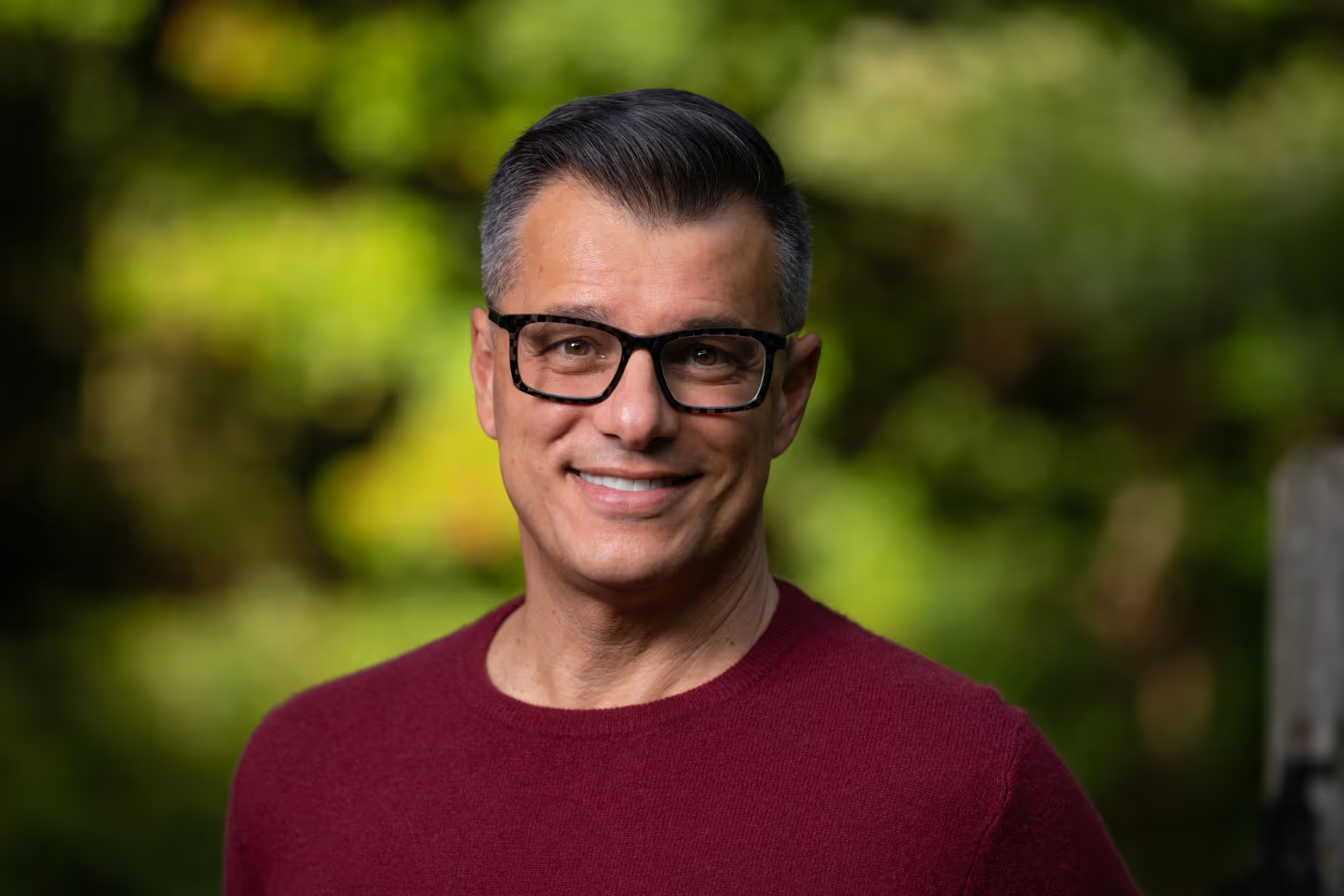
About Dr. Frank Anderson
Dr. Frank Anderson is a Harvard-trained psychiatrist, trauma specialist, and bestselling author with more than 30 years of experience treating trauma. His work integrates neuroscience, attachment, and experiential approaches to understanding and addressing the lasting effects of childhood trauma.
For Frank, this subject is also deeply personal. In his memoir, To Be Loved, he shares his experience growing up with an abusive father and a mother who loved him but failed to protect him.
He brings both professional expertise and lived experience to this course, drawing from decades of clinical work, trauma research, and his own personal journey.
Understand what happened. Address what wasn't there. Begin making different choices.
You may have spent years protecting the relationship with the parent who didn't protect you. Or you may still be discovering how much the absence of that protection shaped your life.
This course offers an opportunity to understand those patterns, give attention to the hurt beneath them, and explore what it means to begin honoring your own needs.
Questions? Contact support@frankandersonmd.com